
Fast Action Helps Protect People, Homes, and Yards From Avoidable Damage
The main benefit of timely hazardous tree removal services is simple: they lower the chance of injury and property damage before a weak or dying tree falls. When a tree shows signs of failure, waiting can turn a small issue into a big mess. In places like Greensboro, NC, storms, wind, and heavy rain can make a bad tree fail without much warning. Acting early can also help protect nearby trees, keep cleanup smaller, and make the work safer from start to finish.
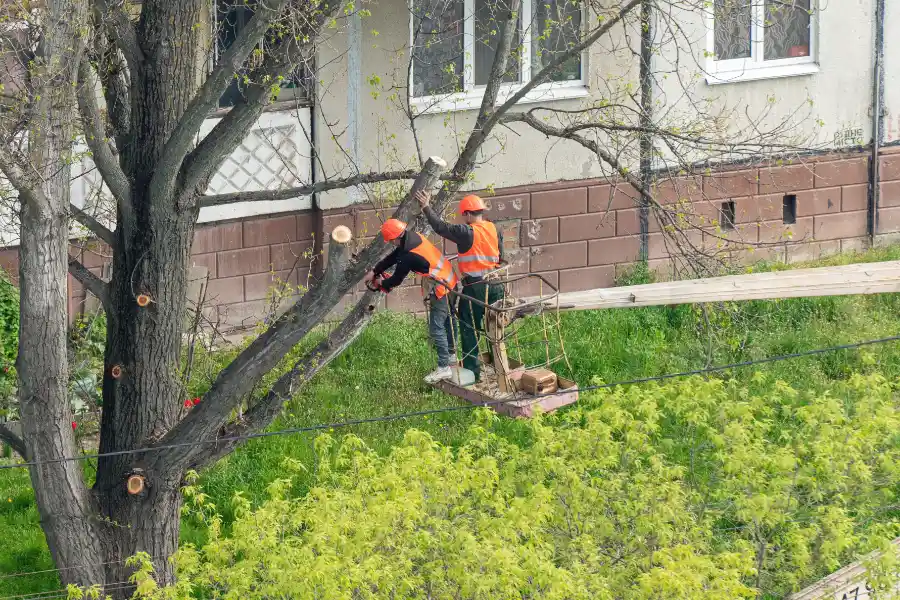
Why Prevention Matters
Hazardous tree removal is not only about taking down a tree that already fell apart. It is about stopping trouble before it happens. A tree may lean more each week, lose large limbs, or show rot near the base. These signs may seem minor at first. Still, they can point to a tree that may break during the next storm or strong wind.
Removing a risky tree at the right time can prevent roof damage, broken fences, crushed cars, and blocked driveways. It can also help protect people walking near the tree. In many cases, early removal costs less time and causes less yard damage than waiting for a full collapse and emergency cleanup.
Early Warning Signs
Many trees show signs before they fail. If you spot these issues early, you have a better chance of fixing the problem with less stress. Some trees can be saved with trimming or support, but others need full removal.
- Large dead branches high in the canopy
- Deep cracks in the trunk
- Hollow spots or visible decay
- Mushrooms growing near the base
- Roots lifting from the soil
- A sudden lean after rain or wind
- Bark falling off in big sections
- Branches touching power lines or hanging over the house
If you notice one or more of these signs, it is smart to act soon. A weak tree rarely gets stronger on its own. Delay can lead to a harder removal and a bigger safety risk.
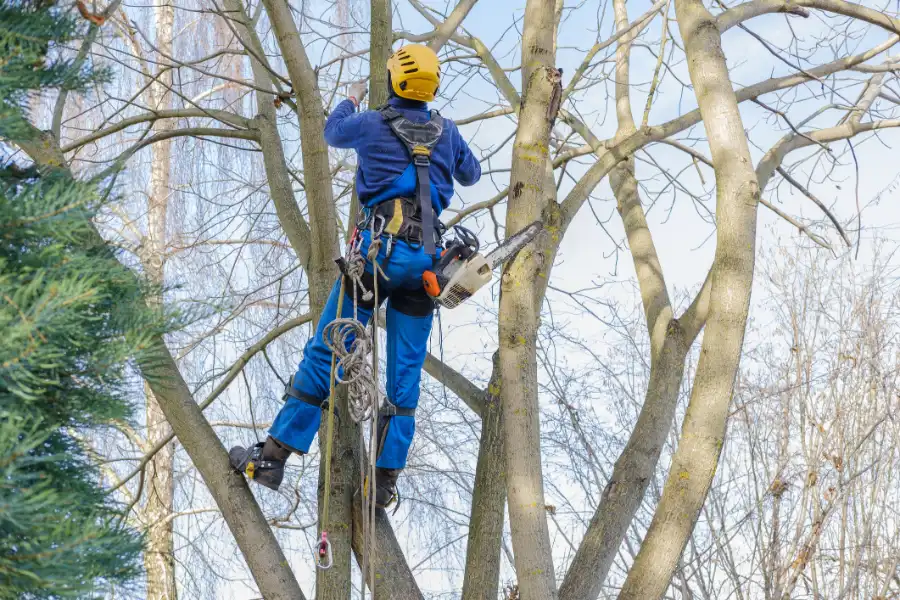
Seasonal or Routine Checklist
A simple routine can help spot danger before it grows. Trees change with each season, so it helps to check them more than once a year. Spring and fall are often good times for a yard scan, though a check after a storm is also wise.
- Walk around the tree and look at the trunk from all sides.
- Check the ground for fresh cracks or raised roots.
- Look up for hanging limbs or bare sections.
- Watch how close branches are to the roof, fence, or wires.
- Look for sawdust, holes, or other pest activity.
- Notice any change in lean or shape since your last check.
- Take photos so you can compare changes over time.
This kind of routine works well for homeowners, landlords, and property managers. It is a simple habit that can help catch danger before weather makes it worse. If the tree is near structures, roads, or play areas, do not put off the next step.
Best Practices for Long-Term Results
The best long-term plan is to treat tree care as part of regular property upkeep. Healthy trees add shade and value, but weak trees can do the opposite. Good care can lower the need for emergency hazardous tree removal later.
Start with basic maintenance. Remove dead limbs, keep mulch away from the trunk, and water young trees during dry periods. Avoid hitting roots with heavy equipment. If building work happens near a tree, protect the root zone. Soil compaction and root cuts can weaken a tree long before the damage is visible.
It also helps to know the limits of a tree. Large mature trees may need more space and more watching than smaller ornamentals. Fast-growing species often break more easily in storms. A tree that outgrew its spot may become unsafe near homes, sidewalks, or driveways. In some cases, the safest choice is to remove the tree and plant a better-fit species later. This is one part of smart tree service planning.
What Not to Do
When a tree looks dangerous, some people try to handle it too fast or with the wrong tools. That can lead to injury or more damage. A risky tree can shift, split, or fall in ways that are hard to predict.
Avoid these common mistakes:
- Do not climb a damaged tree
- Do not cut large limbs without a clear drop zone
- Do not use a ladder near unstable branches
- Do not ignore root damage after digging or storms
- Do not wait for the next storm to ‘see what happens’
- Do not work near power lines
These mistakes can turn a manageable issue into an emergency. Even if the tree is still standing, hidden rot or split wood can make it unsafe to approach.
When to Schedule Professional Help
Professional help is a smart step when a tree is large, dead, leaning, storm-damaged, or close to a home. It also makes sense when limbs hang over public areas, cars, fences, or utility lines. Timely hazardous tree removal is often safer when done before the tree becomes too unstable to climb, cut, or control.
A trained crew can inspect the tree, spot hidden weak points, and plan a safer removal process. This matters even more if the tree is in a tight space or if the ground is wet and soft. Early service may also reduce the need for after-hours emergency work, which can be more stressful for everyone involved.
If something changed after a storm, do not guess. A tree may look fine from one side and be split on the other. Fast action can help protect the rest of the yard and stop damage from spreading to nearby trees or structures.
Get Help Before a Risky Tree Becomes a Bigger Problem
If you have seen warning signs on your property in Greensboro, NC, now is a good time to act. We can inspect the situation and explain the next steps in plain language. At Pegram Tree Service, our team handles hazardous tree removal with safety in mind. Call us at (336) 852-0222 to set up a visit and get helpful guidance for your next step.