
Ignored Tree Problems Can Lead to Damage, Injury, and Costly Property Issues
Ignoring a dangerous tree can lead to broken limbs, roof damage, blocked driveways, power line trouble, and even serious injuries. Small warning signs often grow into big problems fast. A tree that leans, cracks, drops large branches, or shows decay may no longer be stable. In many cases, quick action lowers the chance of harm and helps avoid a larger cleanup later in Greensboro, NC.
Quick Diagnosis Summary
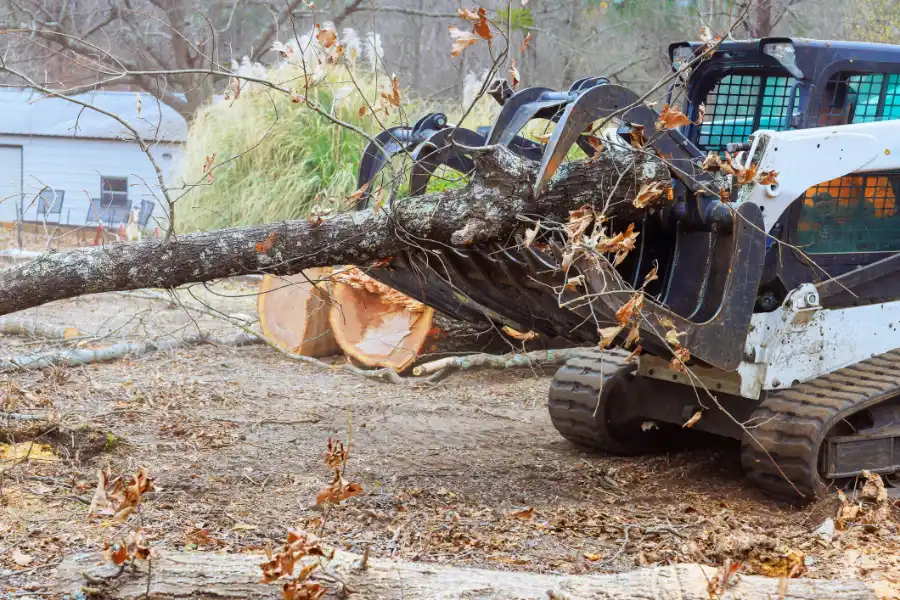
Hazardous tree problems usually start with signs people brush off. A dead branch may seem minor. A hollow trunk may not look urgent. But weak trees often fail during wind, heavy rain, or saturated soil. When that happens, homes, cars, fences, and walkways can be hit without warning. This is why hazardous tree removal is sometimes the safest next step when a tree is too damaged to save.
Common Symptoms
Most risky trees show clues before they fail. The trouble is that many property owners do not notice them early enough. Some signs are easy to spot from the ground, while others need a closer inspection. If you see several of these at once, the risk is usually higher.
- Large dead limbs high in the canopy
- Deep trunk cracks or split bark
- Fungus growing near the base
- Roots lifting out of the soil
- A sudden lean after a storm
- Hollow spots in the trunk
- Branches hanging over a house or driveway
- Heavy leaf loss on one side only
These warning signs do not always mean full removal right away, but they should never be ignored. In some cases, tree trimming or support work may help. In other cases, hazardous tree removal is the safer answer.
Likely Causes
Trees become dangerous for many reasons. Storm damage is one common cause. Strong wind can twist limbs and weaken attachment points. Heavy rain can soften the soil and loosen roots. Long dry periods can also stress a tree and make it brittle.
Disease and rot are also major causes. A tree may look fine outside while the inside wood is decaying. Pests can add to the damage. Poor pruning cuts can leave weak branch unions. Construction near roots can reduce stability too. Even age is a factor. Older trees often carry hidden defects that get worse over time.
If this property issue falls under a broader service category keyword, it still helps to treat the warning signs early, before the problem spreads to nearby trees or structures.
What to Check First
Before doing anything, take a slow walk around the tree from a safe distance. Look at the trunk, root flare, and major limbs. Check whether the tree is close to your home, garage, shed, sidewalk, or power lines. If a tree could hit something valuable or put people at risk, the situation should move up your priority list.
- Look for fresh cracks in the trunk or main limbs.
- Check whether roots are lifting or exposed.
- See if the tree leans more than it used to.
- Notice dead branches larger than your arm.
- Watch for fungus, cavities, or peeling bark.
- Think about what the tree could hit if it falls.
Do not stand under weak limbs while checking. Do not climb the tree. Do not cut large branches if the tree is unstable. Even one wrong move can send wood falling fast.
Safe Fixes Vs Pro-Level Fixes
Some tree issues have simple, low-risk steps. You can keep the area clear, move cars away, and avoid hanging lights or swings from weak limbs. You can also watch for changes after storms and take photos to track movement over time.
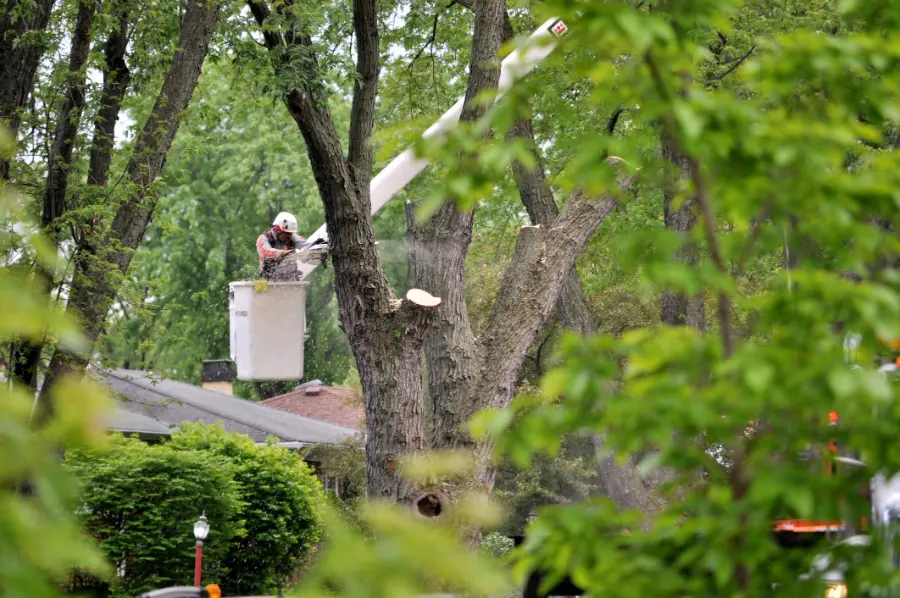
But many fixes should be left to trained crews. Cutting large limbs, working near roofs, removing a split trunk, and handling trees close to power lines all carry real danger. Hazardous tree removal often needs special equipment, rigging, and a planned drop zone. If a tree is dead, leaning hard, or breaking apart, professional help is the safer choice.
A good rule is simple. If the job cannot be done from the ground with basic hand tools and no fall risk, it is likely not a do-it-yourself task.
Prevention Tips
You cannot stop every tree problem, but you can lower the odds. Routine checks help catch trouble early. After major storms, inspect trees as soon as it is safe. Remove small dead limbs before they become large hazards. Keep mulch away from the trunk base. Avoid cutting roots during yard work or hardscape projects.
Regular pruning also helps shape stronger growth. Trees with crowded, rubbing, or weak branches are more likely to fail later. Young trees benefit from structure pruning, while mature trees need careful maintenance to reduce weight on stressed limbs. Early care is often much easier than emergency hazardous tree removal after a storm.
Final Recommendation
If a tree shows signs of decay, major cracks, root trouble, or storm damage, do not wait for the next bad weather event. Small warning signs can turn into fallen limbs or full tree failure with little notice. We help property owners in Greensboro, NC spot risks before they become larger problems. Contact Pegram Tree Service to talk with us about hazardous tree removal or other tree safety work, or call (336) 852-0222 to set up a visit.