
Cutting Weak Limbs Early Helps Lower the Risk of Damage During Storms
Tree trimming helps prevent storm damage by removing weak, dead, or overgrown branches before bad weather hits. When wind pushes a tree, loose limbs can snap and fall on a roof, fence, car, or power line. Trimming also helps the tree keep a better shape, which can make it more stable in storms. In places like Greensboro, NC, where strong rain and wind can come fast, simple tree care can help protect your home.
Why prevention is important
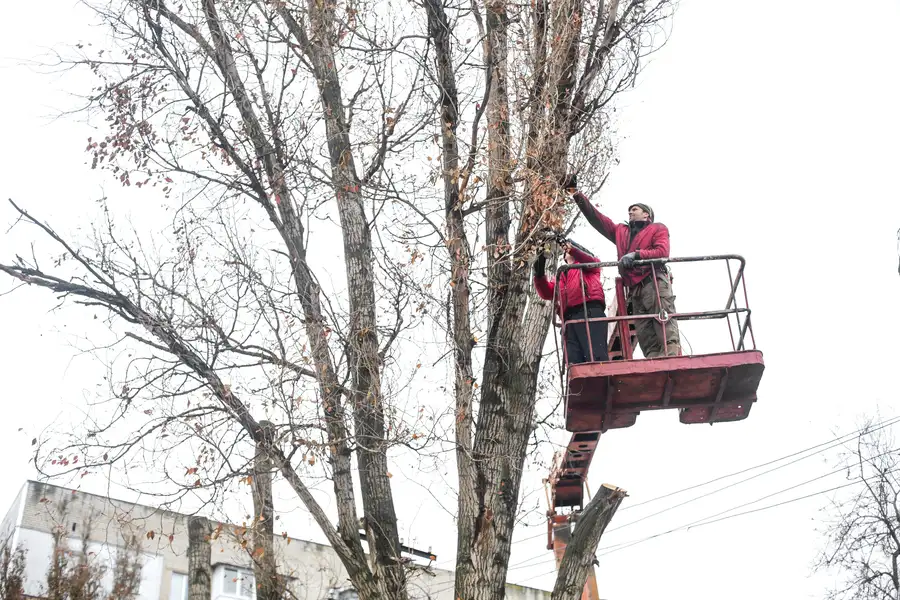
Storm damage often starts with small problems that are easy to miss. A branch may look fine from the ground, but it could already be cracked, dead, or too heavy. During a storm, that branch can break and cause costly damage. A regular tree trimming service can lower that risk by thinning crowded limbs, removing broken wood, and cutting back growth that hangs too close to the house. Good prevention is often much easier than dealing with cleanup after a storm.
Early signs there might be a problem
You do not need to wait for a branch to fall before taking action. Trees often show signs that they need attention. Watching for these signs can help you act early and avoid bigger problems later.
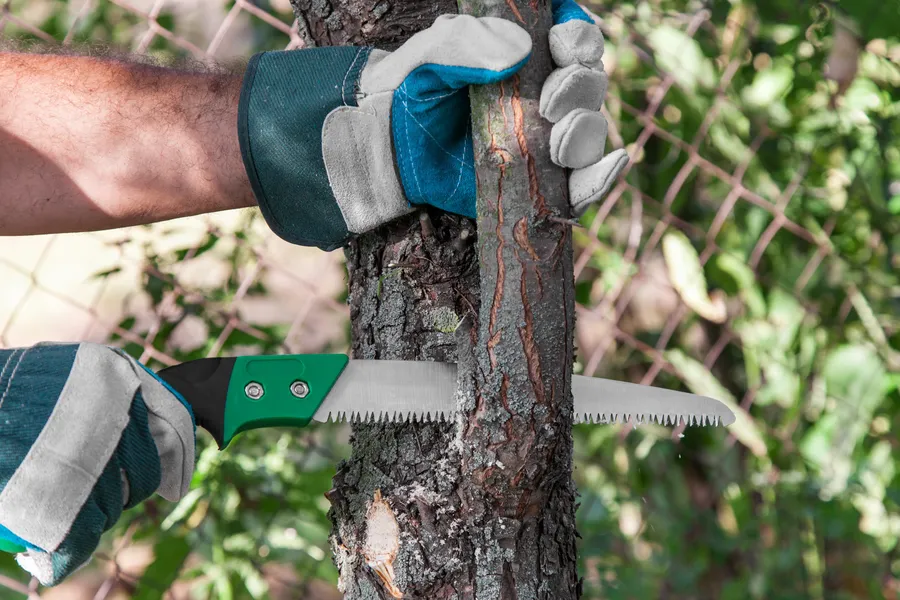
- Dead branches with no leaves during the growing season
- Limbs hanging over the roof or driveway
- Branches touching power lines or rubbing the house
- Cracks where large limbs join the trunk
- Dense canopies that catch a lot of wind
- Leaning trees or exposed roots after heavy rain
If you notice one or more of these issues, it may be time to plan trimming before the next round of rough weather. This kind of outdoor care is a smart part of home maintenance.
Seasonal or routine checklist
A simple routine can help keep trees safer all year. Many homeowners check their trees in late winter, spring, and again before storm season. This schedule makes it easier to spot damage, shape new growth, and remove risky branches.
- Walk around the yard and look up at the canopy.
- Check for dead, split, or hanging limbs.
- Look for branches growing toward the roof or windows.
- Clear small broken limbs after windy days.
- Watch how trees change after long rain or dry spells.
- Set a date for a tree trimming service before storm season starts.
This routine does not take long, but it can help you catch problems before they become dangerous. It is also helpful after a storm, since hidden damage can show up days later.
Best practices for long-term results
Good trimming is not just about cutting branches at random. The goal is to help the tree stay healthy and balanced. A well-shaped tree can move better in the wind and is less likely to drop large limbs. Trimming should focus on dead wood, weak branch unions, crossing limbs, and crowded areas that block airflow.
It also helps to keep branches spaced away from the home. Even small limbs can scrape shingles, siding, and gutters during a storm. Over time, this can wear down parts of the house. A trusted tree trimming service can reduce that contact and help keep the tree growing in a safer direction.
What not to do
Some trimming habits can make a tree weaker instead of safer. Cutting too much at one time can stress the tree. Topping a tree, which means cutting off the upper part in a harsh way, often leads to weak regrowth. Those new shoots may grow fast, but they are often poorly attached and more likely to break later.
It is also a bad idea to trim near power lines without proper training and tools. Falls, electric shock, and property damage are real risks. Another common mistake is waiting until a storm warning is already in place. At that point, it may be too late to trim safely, and crews may already be fully booked.
When to schedule professional help
Some small pruning jobs may be manageable from the ground, but larger or higher work is different. If a tree is close to the house, very tall, damaged, or near utility lines, professional help is the safer choice. A trained crew can spot weak branch structure, decay, and storm risks that are easy to miss.
Many homeowners schedule service before hurricane season, thunderstorm season, or after seeing branch damage from past weather. If you have mature trees, fast-growing species, or limbs hanging over key parts of the property, it is smart to plan an inspection. Regular visits from a tree trimming service can help lower the chance of surprise damage when the weather turns rough.
Get help before the next storm
We help homeowners spot branch hazards before they become expensive problems. If you are in Greensboro, NC, we can talk through the next steps and help you decide what kind of trimming makes sense. Contact Pegram Tree Service to schedule a visit or ask questions about your trees. You can also call us at (336) 852-0222 to get started.