
How to Handle Heavy, Crowded Limbs Before They Cause Damage
Overgrown branches can make a tree unsafe, block light, scrape a roof, and drop weak limbs during wind or storms. A tree pruning service helps by removing extra growth, cutting back weak branches, and shaping the tree so it stays healthier and safer. In Greensboro, NC, this kind of work is often needed when trees grow too close to homes, driveways, power lines, or walkways. The goal is not just to make the tree look better. It is to lower risk and help the tree grow in a stronger way.
Quick Diagnosis Summary
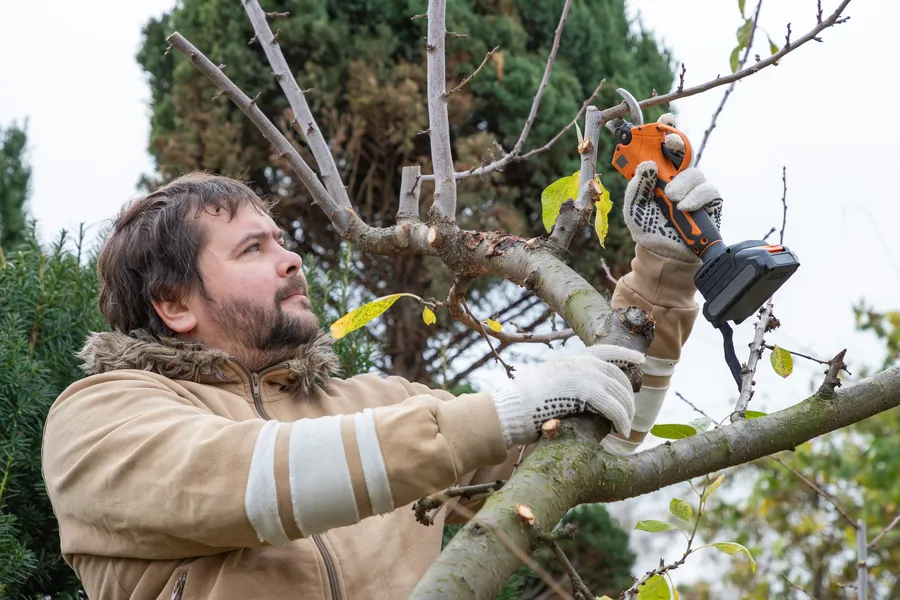
A tree usually needs help when branches are too long, too dense, dead, cracked, rubbing together, or hanging over places people use every day. Overgrowth can also trap moisture and block air flow in the canopy. That can lead to weak growth and more stress on the tree. A tree pruning service is often the safest way to manage this problem, especially when limbs are large or high off the ground.
Common Symptoms
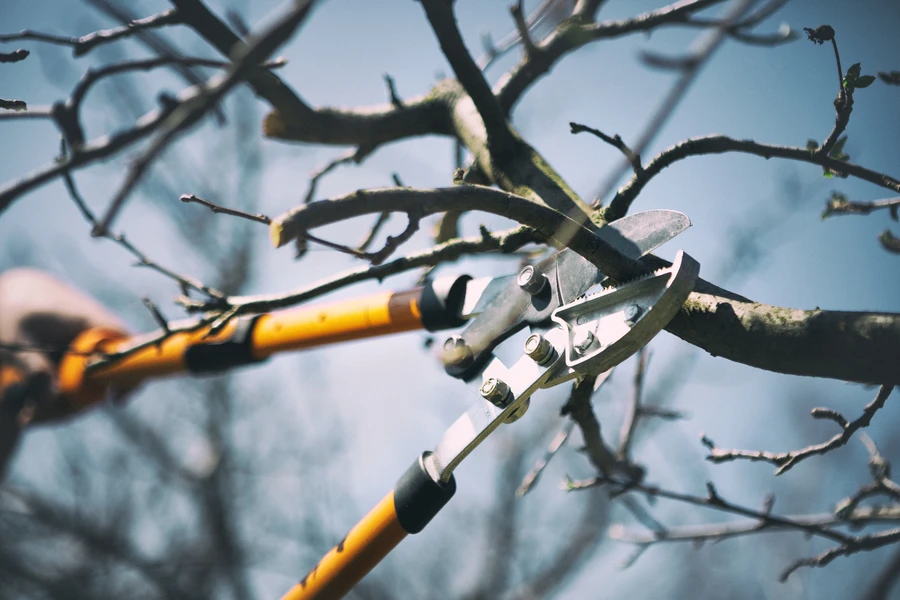
Many property owners spot the problem only after branches become hard to ignore. You may see limbs touching siding, hanging over a fence, or covering windows. Some trees start leaning to one side because growth is uneven. Others have thick tops that keep sun from reaching grass or plants below. In some cases, small branches break off often, which can be a sign the tree is carrying too much weight.
- branches touching the roof or gutters
- limbs hanging over cars, patios, or sidewalks
- dead wood mixed in with live growth
- crossing branches that rub and wear down bark
- dense growth that blocks light and air
- low limbs that get in the way of walking or mowing
These signs often mean branch management should happen soon, before the next storm or growth season makes the issue worse.
Likely Causes
Overgrown branches do not happen for just one reason. Fast-growing trees may put out too much growth in a short time. Missed pruning seasons can also let small issues turn into large ones. Storm damage may leave weak limbs that keep growing in odd directions. Poor past cuts can create crowded regrowth. Some trees are also planted too close to structures, so even normal growth becomes a problem later.
In many yards, a basic tree care and service plan is skipped for years. When that happens, the tree keeps adding height and width without control. The result is a canopy that is harder to manage and more risky to trim without the right tools.
What to Check First
Before any cutting starts, check the tree from the ground. Look at where branches sit over the house, street, fence, or play area. Notice if any limbs are broken, split, or dead. See if the trunk looks solid and if the tree leans more than before. Also check how close limbs are to utility lines. If there is any chance a branch could hit a power line, stop and call for help.
- walk around the entire tree
- mark dead, broken, or rubbing limbs
- find branches over roofs, cars, and walkways
- check for power lines or hard-to-reach areas
- decide what is safe to leave alone until a pro arrives
This simple check can help you see if the issue is light cleanup or a bigger pruning job that needs trained hands.
Safe Fixes Vs Pro-Level Fixes
Some light work may be safe from the ground. Small twigs or low branches can sometimes be trimmed with clean hand pruners if they are easy to reach and clearly dead or damaged. Cuts should be small and careful. Do not remove too much at once. Taking off large amounts of live growth can stress the tree and make the shape worse.
Pro-level work includes climbing, ladder work, rope rigging, chainsaw use, weight balancing, and cuts on large limbs. A tree pruning service should handle branches near roofs, tall canopies, weak unions, storm-damaged wood, or anything close to utility lines. Pros also know how much growth can be removed without harming the tree’s health.
Prevention Tips
The best way to deal with overgrown limbs is to keep them from reaching that point. Young trees do well with shape training early on. Mature trees need checks from time to time so dead wood, crowding, and poor branch angles can be fixed before they become hazards. Regular pruning also helps air move through the canopy and keeps weight more balanced.
- inspect trees after storms
- trim problem growth before it gets large
- remove dead or rubbing limbs early
- keep branches clear of structures
- avoid topping, which can cause weak regrowth
- set a routine schedule for tree checks
Avoid random cutting just to make a tree smaller fast. Poor cuts can lead to decay, weak sprouts, and uneven growth. A planned approach usually gives better long-term results.
Final Recommendation
If your tree has branches crowding the canopy, scraping your home, or hanging over areas people use, it is smart to act before damage happens. In Greensboro, NC, changing weather and fast seasonal growth can turn a small branch problem into a safety issue. Contact Pegram Tree Service at (336) 852-0222. We can inspect the tree, explain the next steps, and help us choose the right tree pruning service for safer, healthier branch management.