
Remove Decaying Wood Before Bugs Make It Their Next Home
Old tree stumps can attract insects fast. That is why stump grinding helps stop pest problems around your home. A stump left in the yard holds moisture, rots over time, and gives bugs a safe place to live and breed. Once pests settle into that wood, they may spread to nearby trees, mulch beds, fences, or even parts of your house. In Greensboro, NC, removing leftover stumps early can lower the chance of bigger yard and home issues later.
Why Prevention Matters
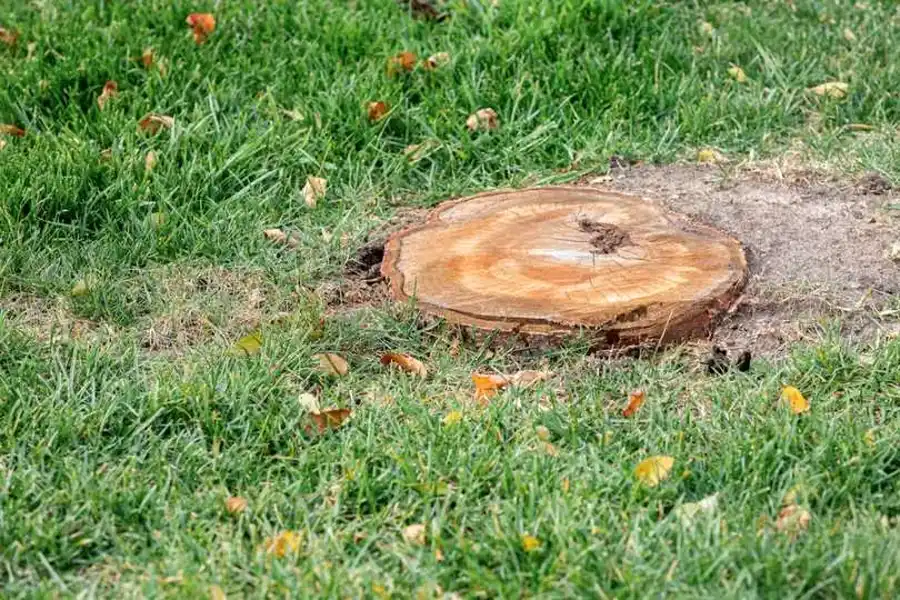
Many people think a stump is only an ugly spot in the yard. The bigger problem is what happens below and around it. As the wood breaks down, it becomes food and shelter for insects like termites, ants, beetles, and other wood-loving pests. Some pests stay in the stump at first. Others move outward when the stump gets crowded or too dry. That can turn a small yard problem into a larger one.
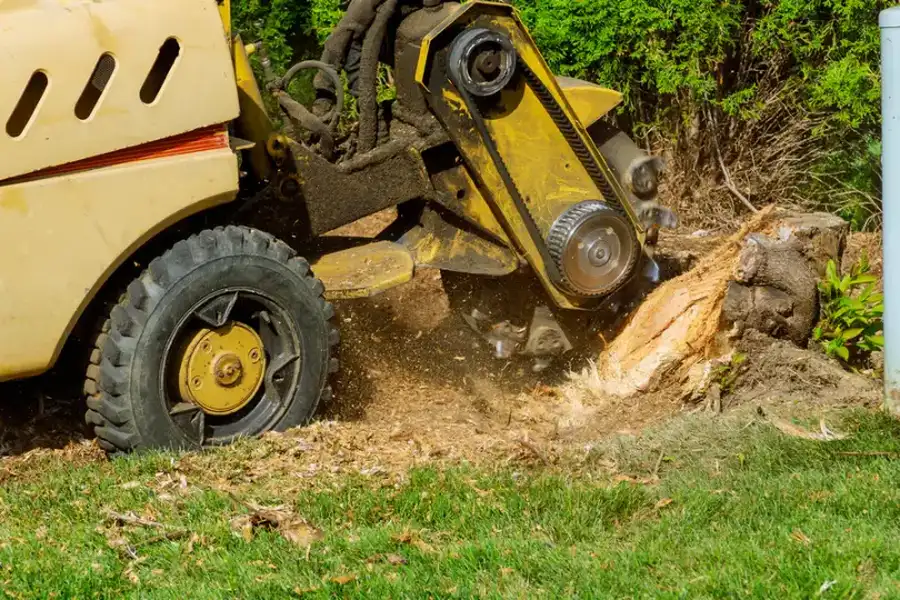
Stump grinding helps by breaking up that nesting spot. Instead of leaving a large chunk of dead wood in place, the stump is ground down so pests have far less material to use. This service also makes it easier to inspect the area, clean up debris, and improve the health of the yard.
Early Warning Signs
You may already have pest activity near an old stump and not know it. Some warning signs are easy to miss. Bugs often stay hidden under bark, inside cracks, or below the soil line. By the time you notice clear damage, the pest problem may already be growing.
- Soft, crumbly, or hollow wood
- Small holes in the stump surface
- Sawdust-like material near the base
- Ant trails moving to and from the stump
- Fungus or mushrooms growing on the wood
- Woodpecker activity near the stump
- Nearby mulch beds with more insect activity than usual
These signs do not always point to one single bug, but they do show that the stump is breaking down and becoming a better home for pests. If the stump sits close to your house, shed, fence, or deck, the risk can grow faster.
Seasonal or Routine Checklist
Routine yard checks can help you catch stump and insect issues early. This is helpful after storms, during warm months, and any time a tree has been removed. Even if the tree looked healthy when cut down, the leftover stump can still decay and draw insects.
- Walk the yard and inspect old stumps every few weeks.
- Check for wet soil, mushrooms, and loose bark.
- Look for lines of ants or other crawling insects.
- Watch nearby wooden structures for new damage.
- Clear weeds and heavy plant growth around the stump.
- Schedule stump grinding before decay gets worse.
- Remove grindings or manage them the right way if needed.
This kind of upkeep supports better lawn care and helps reduce hidden pest spots. It also makes the yard easier to mow, trim, and monitor through the year.
Best Practices for Long-Term Results
If you want lasting results, it helps to think beyond the stump itself. After stump grinding, the area should stay clean and dry when possible. Pests like quiet, damp spots with cover. So the fewer hiding places nearby, the better.
Good long-term habits include keeping mulch away from your home’s foundation, fixing drainage issues, and removing dead branches or rotting wood from the yard. If roots remain near the surface, watch that area for sink-in spots or new insect activity. In some cases, fresh soil and grass seed can help restore the space and make it easier to maintain.
Another smart move is to act soon after tree removal. A newer stump may not be full of bugs yet, but as time passes, the chance of infestation rises. Taking care of it early can help you avoid extra work later.
What Not to Do
Some common choices can make the problem worse. Leaving the stump in place for years is the biggest one. Covering it with dirt or mulch does not solve the issue. That can trap moisture and speed up rot. Trying to break apart a decayed stump by hand can also spread insect activity around the yard.
It is also not a good idea to ignore nearby signs of trouble just because the stump seems small. Even a low stump can support pests. Chemical sprays from a hardware store may kill a few visible bugs, but they usually do not fix the source if the dead wood stays in place.
When to Schedule Professional Help
You should schedule help when the stump is large, close to structures, hard to access, or already showing pest activity. A professional can remove the main problem area more completely and safely than most do-it-yourself methods. This is very helpful if the stump has deep roots, sits on a slope, or is surrounded by landscaping.
Professional stump grinding is also a good choice when you want to stop problems before they spread. If you have seen termites, carpenter ants, beetles, or fungal growth near the stump, waiting longer may give pests more time to move. Fast action can protect nearby wood, improve yard safety, and open the space for better use.
Get Help Before Pests Spread
If you have an old stump in Greensboro, NC, we can help you deal with it before bugs make things worse. At Pegram Tree Service, we remove problem stumps with care and help keep your yard cleaner and easier to manage. Call us at (336) 852-0222 to talk about the next step and set up service that fits your property.